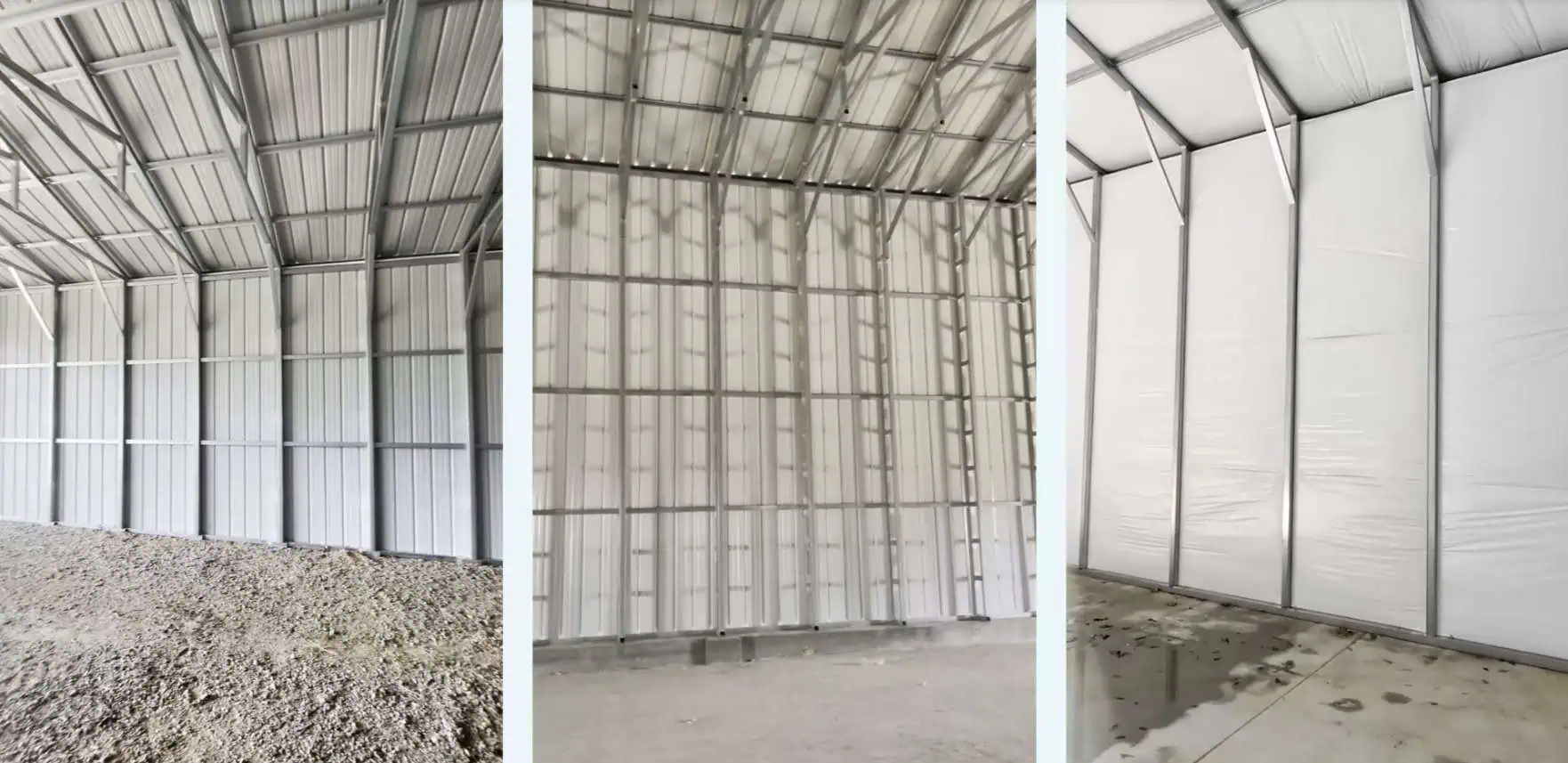
Ever wondered what makes a metal building “certified”? It’s not just a fancy label! A certified metal building has gone through rigorous testing and meets engineering standards to guarantee it can withstand the weather conditions in your region. If you’re investing in a metal structure for your home, farm, or business, certification is like an extra layer of security that states that your building is built to last.
We take certifications seriously at Warrior Buildings because we know Mother Nature doesn’t play around. So, if you’re looking for reliability, longevity, and compliance with local building codes, certification isn’t just an option—it’s the best choice.
So, what can certification do for you? Let’s dive deeper into why you’d want to make your next metal building certified:
Different areas have specific building codes that must be followed for safety and legal reasons. A certified metal building meets these regulations, preventing potential legal issues and guaranteeing your structure is built to the required safety standards.=
If you ever decide to sell your property, having a certified metal building guarantees it will be included on property appraisals, increasing your asking price and potentially pocketing you more money.
Local authorities will have certain regulations builders must abide by. A certified metal building shows that everything is built up to code, making your process go more smoothly.
As we’ve mentioned certification tests a structure against the environment where it’s located. However, there’s no universally accepted standard for this process. As a result, many of the tenets of the certification process center around state regulations and location-specific conditions. This is typically broken down into the following categories:
Engineers calculate wind loads based on local weather patterns, the height and shape of the structure, and surrounding terrain.
Snow accumulation on a metal building’s roof can exert significant weight, which may lead to structural stress or even collapse if not properly accounted for. Certified metal buildings are designed to structurally hold up to the average snow loads in a region.
Engineers assess buildings based on local geological conditions, soil type, and building design to determine its ability to withstand seismic forces.
What does this mean in the real world?
In most cases, your average certified metal building will be engineered to hold up to 130 mph wind gusts and 60 psf snow loads.
However, in parts of the US where weather is even more volatile, these certification specs may vary. For example, commercial metal buildings in Florida are certified to hold up to 160 mph winds to account for the ferocious potential weather in the Sunshine State, while a building in the north will be more catered to snow loads.
Here’s the big question: What’s the difference between certified and non-certified buildings? It comes down to engineering, structural integrity, and compliance.
This structure type is built to meet specific safety standards, engineered to handle strong winds and heavy snow, and is typically required for areas with strict building codes.
These are a more budget-friendly option but are not reinforced for extreme weather conditions. They’re great for mild climates where certification isn’t required.
If you want peace of mind and long-term reliability, a certified building is the way to go. However, if you’re just looking for a simple, budget-friendly storage solution in an area with calm weather, a non-certified building might be enough.
At the end of the day, the choice between going certified and non-certified will fall to you. It will depend on your specific needs, your location, and your expectations for the future. If you’re going for an inexpensive way to shelter your things, certification may not matter much to you.
But do you want a permanent storage solution or something that could potentially pay for itself in the future? Certification will always be the way to go.